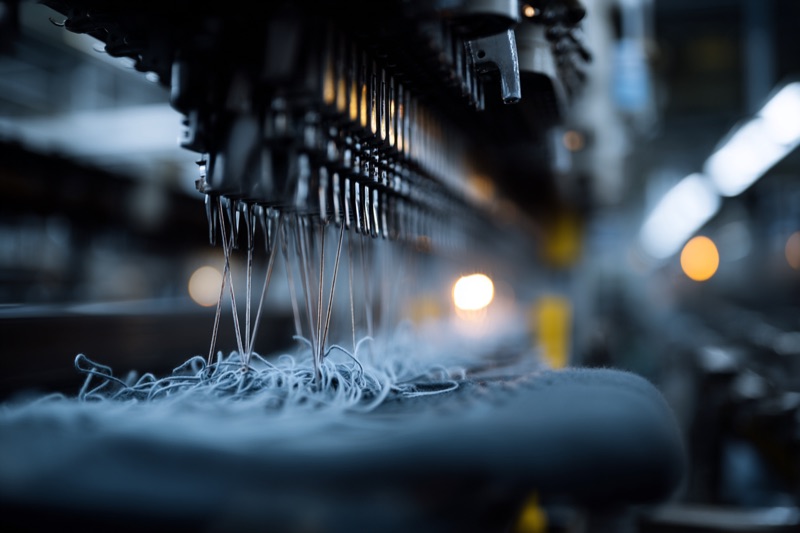
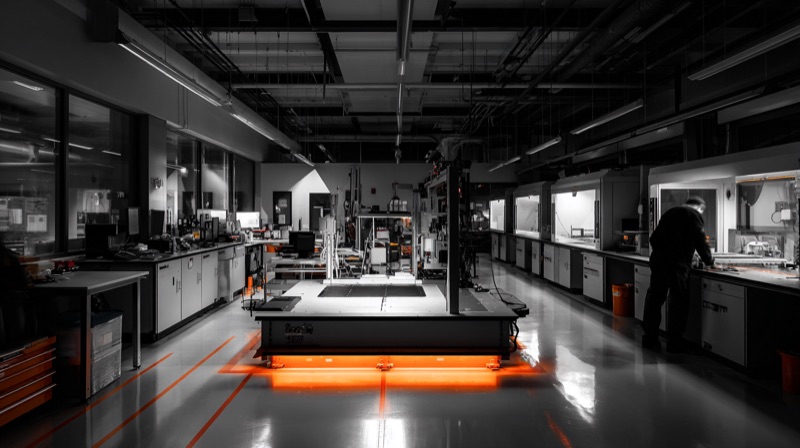
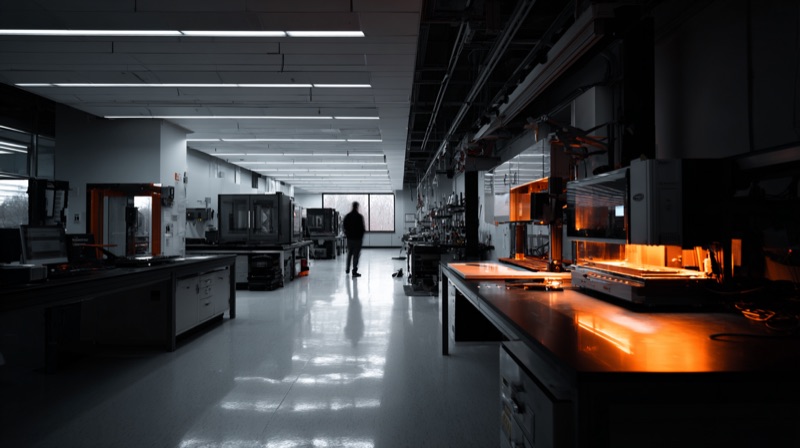
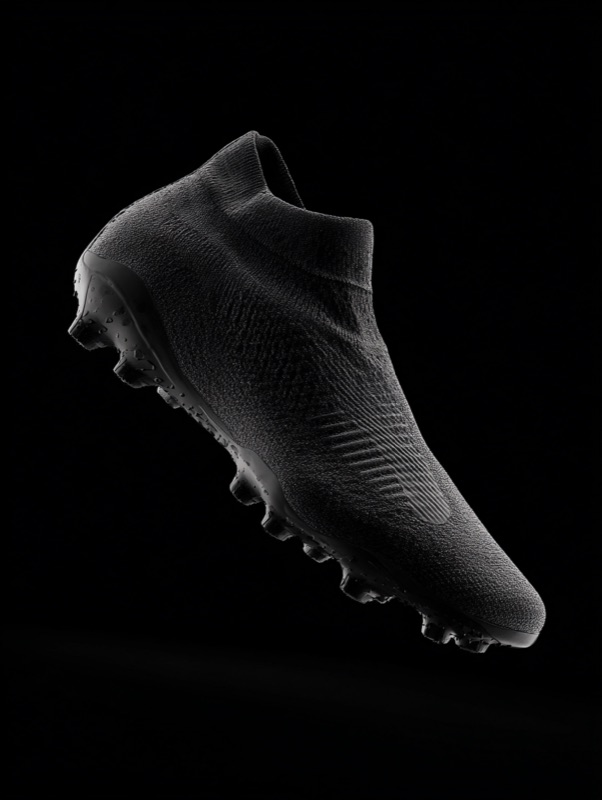
Alveon is a construction system for individual football performance. We scan, measure, and build custom football boots from athlete-specific biomechanical data. One scan. One boot. One athlete.
Alveon does not make football boots. Alveon makes your football boot. The technology is biomechanical measurement, 3D knitting, and 3D printing. The ambition is simpler: every athlete deserves a tool that is built for them. Not adapted. Not adjusted. Built.
We start where others stop. We start with the athlete's foot. We scan it. We measure how it moves under load. We map the zones of pressure, flex, and impact. And then we build a shoe around that data.
Positioning
Alveon is
Alveon is not
A construction system for individual performance.
Another football boot brand with a new design language.
Biomechanical research you can wear.
Technology as a marketing narrative.
Made to measure. One boot per athlete.
Customization. Pick colors and print names.
Material as design. The knitting structure is the surface.
Design on material. Graphics printed on shoes.
Built from the athlete's body outward.
Adapted from a standard last inward.
Design Principles
01The Athlete Comes First
Every decision begins and ends with the athlete. If it does not make the player faster, safer, or more confident on the pitch, it does not make the cut.
02Construction Is Design
The knitting pattern is the surface. The 3D-printed sole is the form. The scan data is the blueprint. If it has no purpose, it does not exist.
03Precision Over Volume
We build one boot at a time, each one different, each one right. One athlete, one measurement, one shoe.
04Play Longer
Fewer injuries. Better fit. Longer careers. We are not building for one season. We are building for the athlete's entire journey.
05Global From Day One
A scan in Hamburg and a scan in São Paulo produce the same precision. The visual language is exact enough to be read anywhere.
02 — Wordmark
ALVEON
Outfit ExtraBold (800). All caps. Letter-spacing 0.08em. No modifications, no custom kerning.
ALVEON
Font
Outfit
Weight
800 ExtraBold
Case
All Caps
Tracking
0.08em
Color Variants
ALVEON
ALVEON
ALVEON
ALVEON
Tagline
Engineered for One.
JetBrains Mono Regular, 0.12em tracking. Below the wordmark or lockup, never alongside on the same baseline.
186.7 102.3 028.9
AV-L-2026-0089
03 — Icon System
Six points. Three states.
Six dots in a pointy-top hexagon. The icon has three states — each representing a phase of the Alveon process. From empty measurement targets to filled data points: the cell filling with information.
State 01
Rings
Empty. Waiting for data. Measurement targets before the scan begins. Scanner interfaces, technical docs.
State 02
Equal
The brand standard. Six equal filled dots. System-level identity — "Alveon", not a specific player. Logo, website, corporate.
State 03
Variable
Personal data loaded. Each dot encodes pressure from the athlete's scan. Every player's mark is unique. Boot, jersey, profile.
All variants use Primary easing (cubic-bezier 0.16, 1, 0.3, 1) except Data Pulse (ease-in-out, sequential clockwise wave with elastic bounce at peak). Stagger between dots: 50ms clockwise from top. Never combine variants — one animation per context.
How icon and wordmark combine — and what not to do.
Lockups
ALVEON
ALVEON
Clear Space
1x
1x
ALVEON
1.5x
Clear space = 1× the icon height on all sides (standalone icon). 1.5× the icon height for lockup. No text, graphics, or edges may enter the clear space zone.
Don'ts
✕ ROTATE
✕ STRETCH
✕ RECOLOR
✕ ADD EFFECTS
271.3 098.1 032.4
AV-R-2026-0142 / 0.1MM / 14:32:07
05 — The Scan Line
A 1px line and its readouts.
One object. Three parts. A hairline in Orange that spans the full width of its container, with measurement readouts at each endpoint. This is not a divider. This is an instrument reading. It appears at 61.8% height — the golden section — on every composition.
THE LINE
1px height. Full container width. #F05A10. Opacity varies by state (8%–70%). Never thicker. 0.25pt in print.
LEFT READOUT
Point-cloud format: three floating point values (X Y Z) in JetBrains Mono 7px. The origin coordinate.
Four creative territories that define how Alveon communicates visually.
A
The Bold System
Condensed, architectural typography as identity. Bold, heavy, systematic.
B
The Blueprint
Technical drawings, dimension lines, annotations. Scan data as visual language.
C
The Signal
Orange marks the measurement. The scan line. The pressure zone. Everything else: monochrome.
D
The Craft
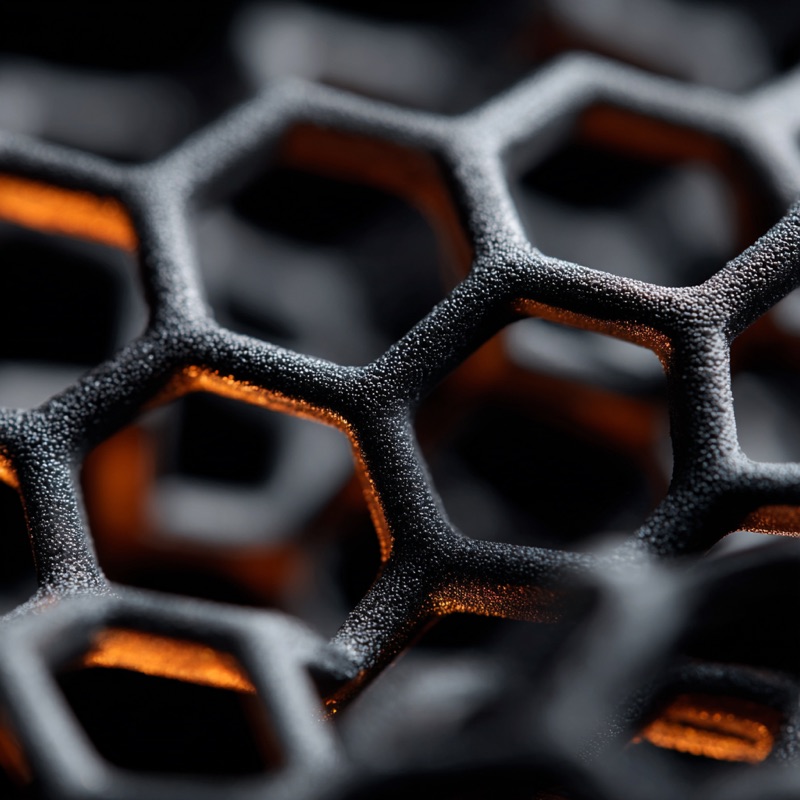
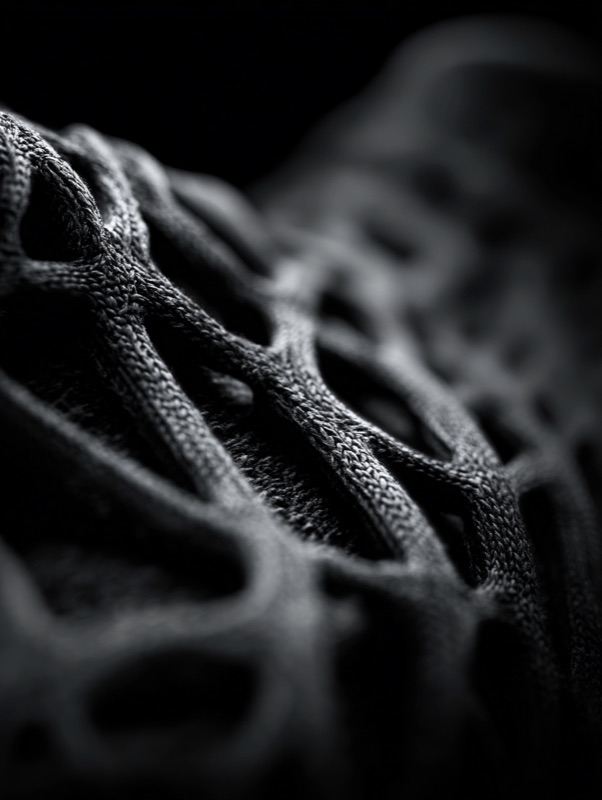
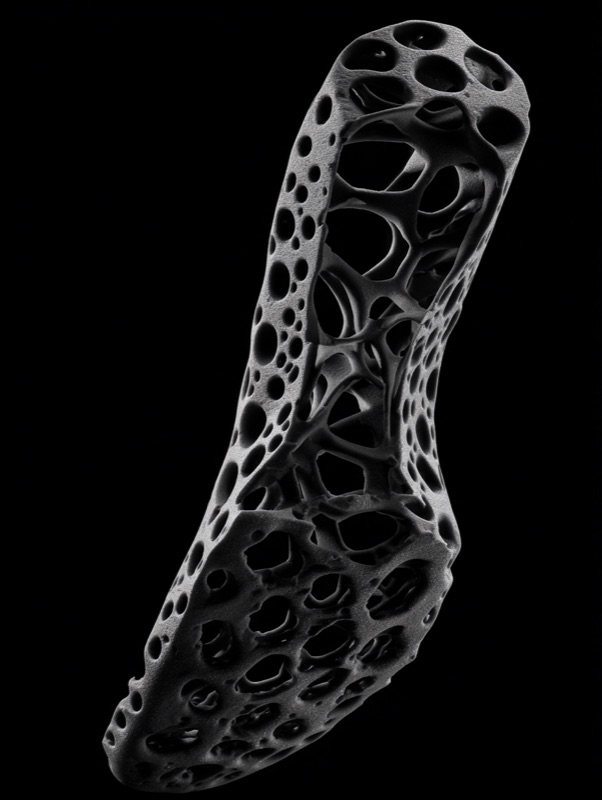
Knitting patterns, 3D-print lattice, scan meshes. Technology visible as texture, not decoration.
11 — Photography Direction
Not lifestyle. Not editorial. Evidence.
Alveon photography documents precision. It shows the scan, the material, the athlete — but never tries to sell a feeling. The image is proof that the system works. Three categories, one visual language.
SCAN ACTIVE 0.1MM RESOLUTION
Category 01 — Process
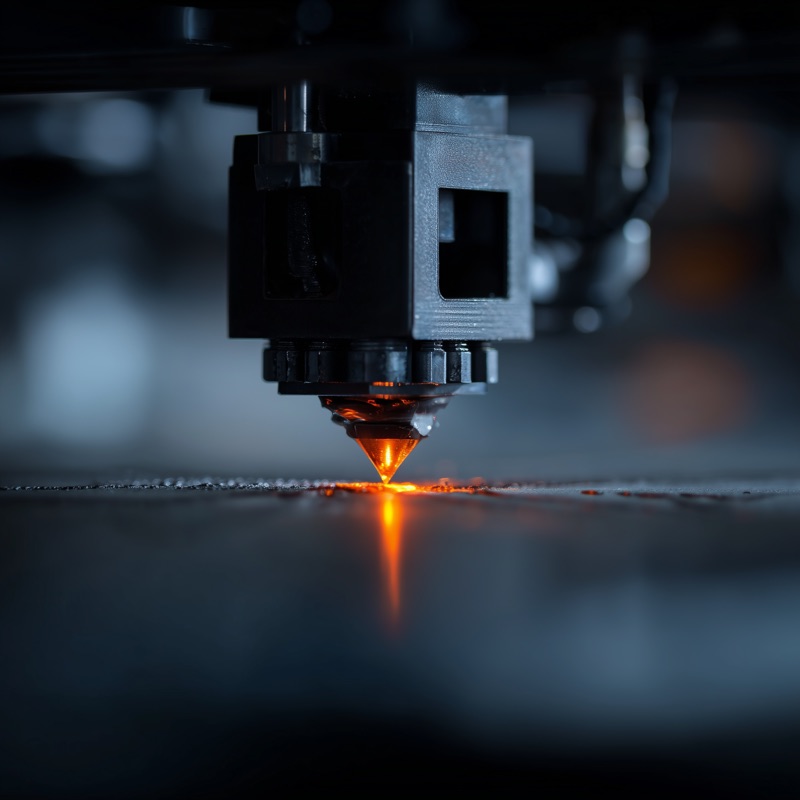
THE SCAN — CONTROLLED LIGHT, SHALLOW DOF
LATTICE MACRO
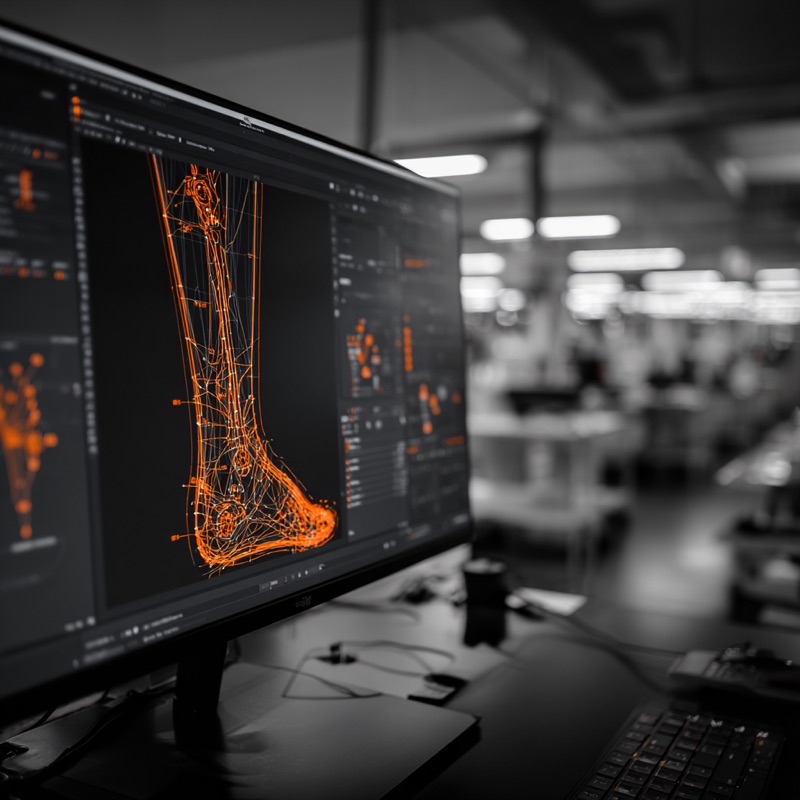
DATA ON SCREEN
Studio environment. Directional light on the subject, darkness around it. Black or very dark backgrounds. If a screen or UI appears, it should show real data — never a mockup. Desaturated, almost monochrome. Orange only when genuinely present in the scene (a scan laser, a UI element, an LED indicator).
Category 02 — Product
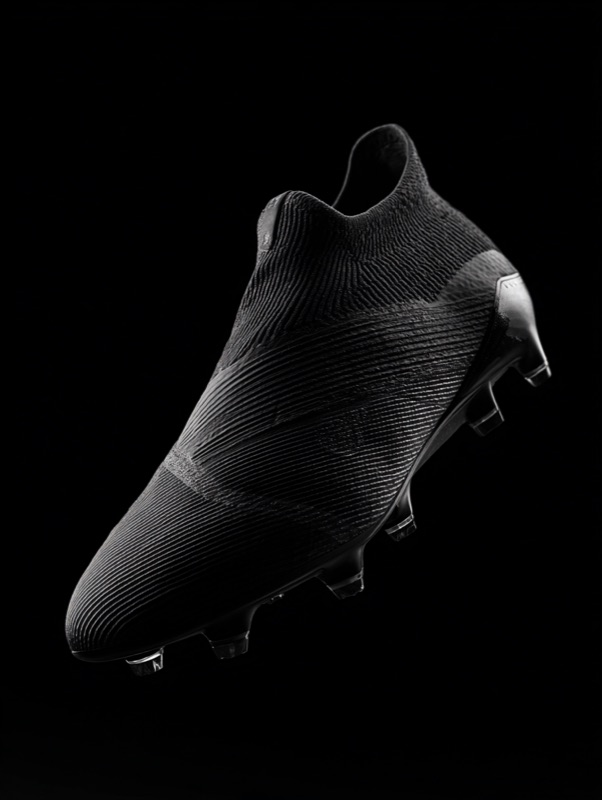
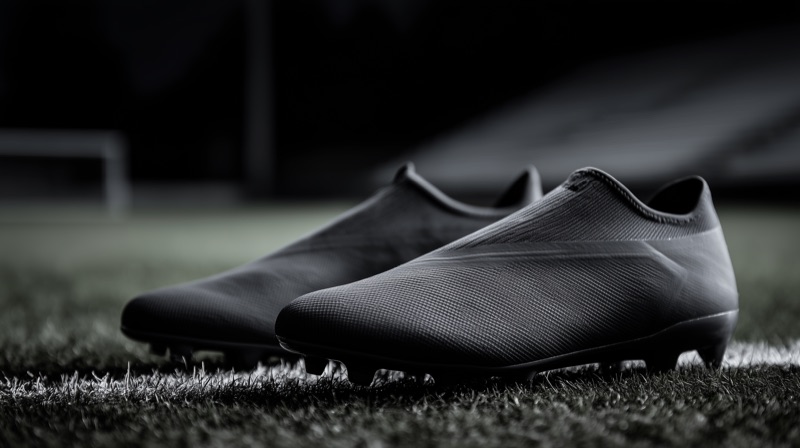
FULL BOOT — 3/4 ANGLE
KNIT MACRO — EXTREME DETAIL
SOLE LATTICE — CROSS SECTION
Treat the boot like a precision instrument. Black background. Directional light that reveals material texture — knit structure, lattice geometry, tongue label detail. Shoot like a watchmaker, not a sneaker catalogue. Macro lens for detail shots. No context, no lifestyle. The product speaks for itself.
Category 03 — Athlete
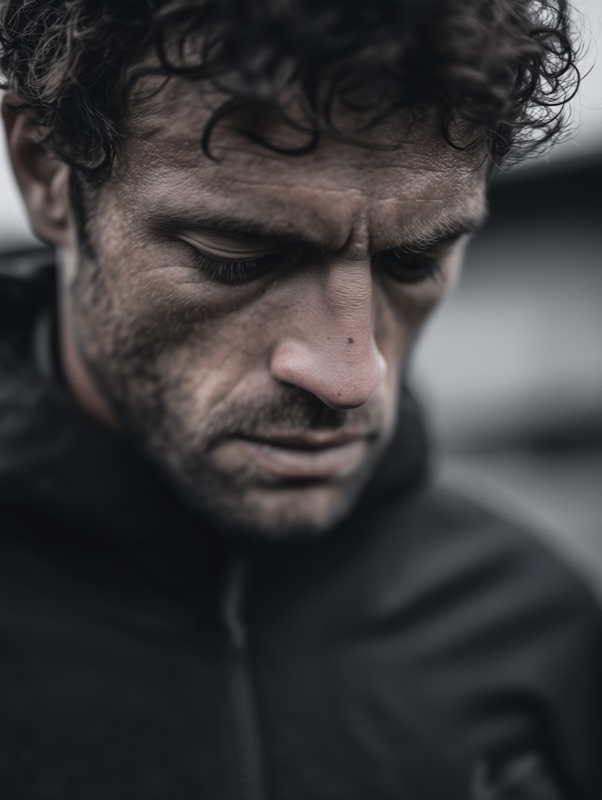
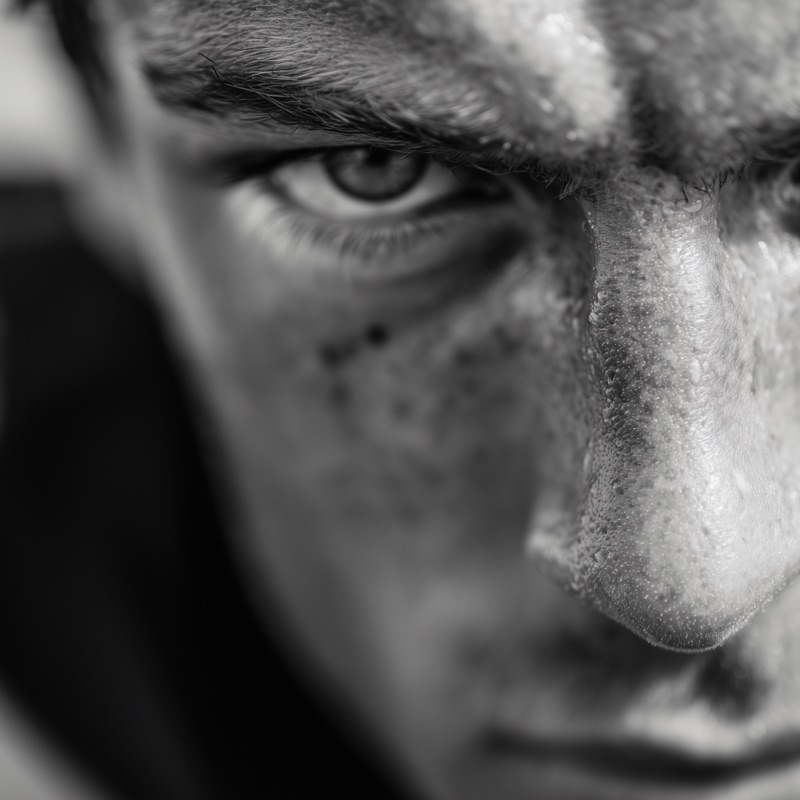
THE QUIET MOMENT — LOOKING DOWN
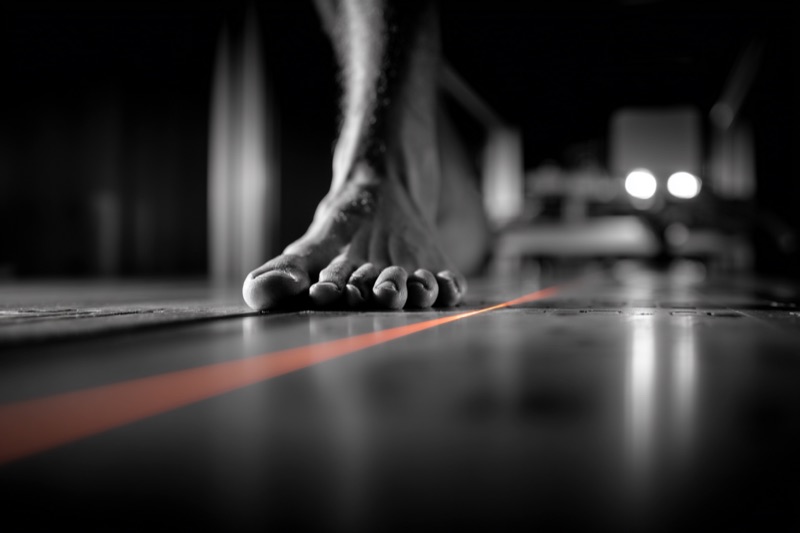
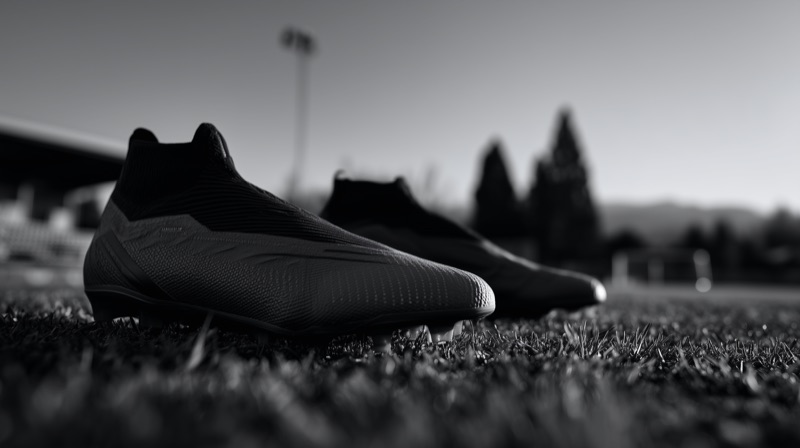
BOOTS ON PITCH — LOW ANGLE, SCAN LINE OVERLAY
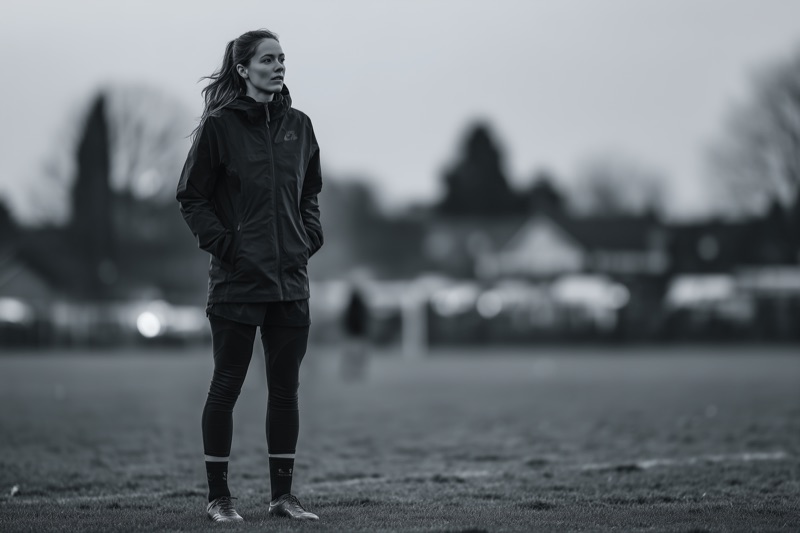
ATHLETE — STILLNESS BEFORE PERFORMANCE
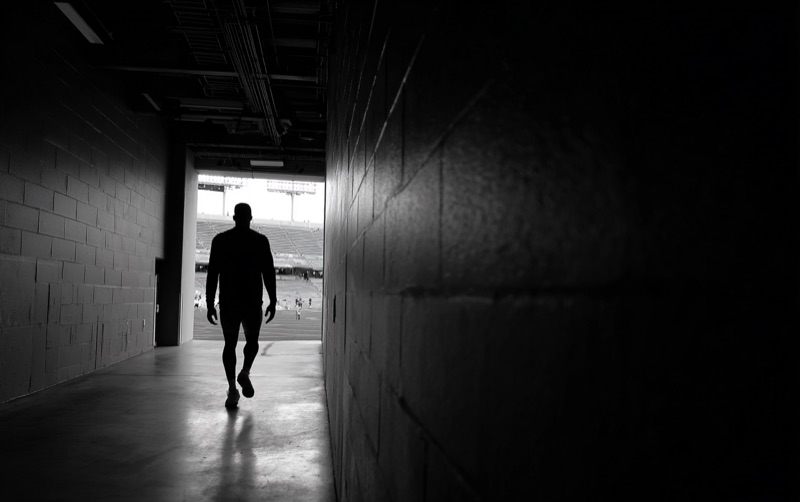
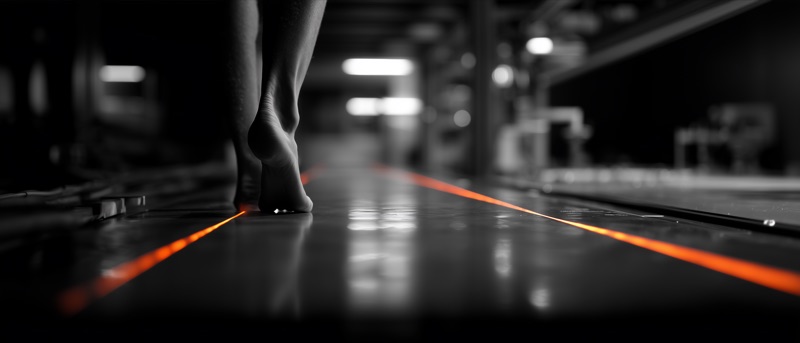
TUNNEL WALK — SILHOUETTE, BACKLIT
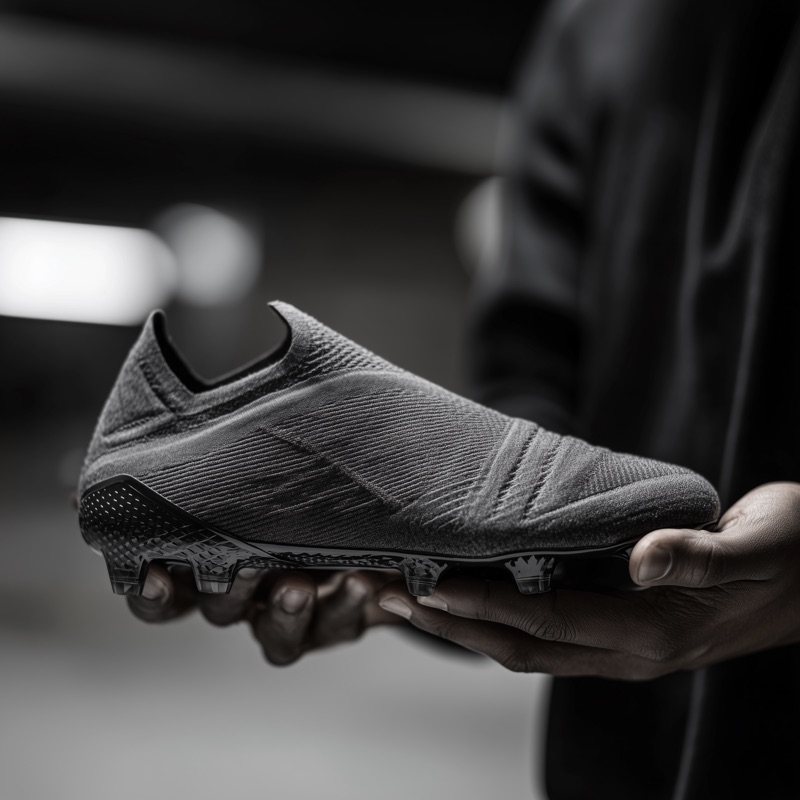
Never classic action shots. Alveon athletes are shown in quiet moments — lacing up, walking out, standing still, looking at their boots. The focus is on the individual, not the competition. Desaturated color palette, skin tones kept natural. Low camera angle for foot-level shots. Rembrandt lighting for portraits. Generous negative space. Scan line overlay is optional on hero images.
Color Treatment
FULL DESATURATED
NATURAL SKIN TONES
ORANGE = IN SCENE ONLY
✕
NEVER ORANGE FILTER
Camera Angles
LOW ANGLE
Foot-level. Boot + ground. Primary for product-on-pitch.
EYE LEVEL
Portraits and process. Respectful, never voyeuristic.
✕
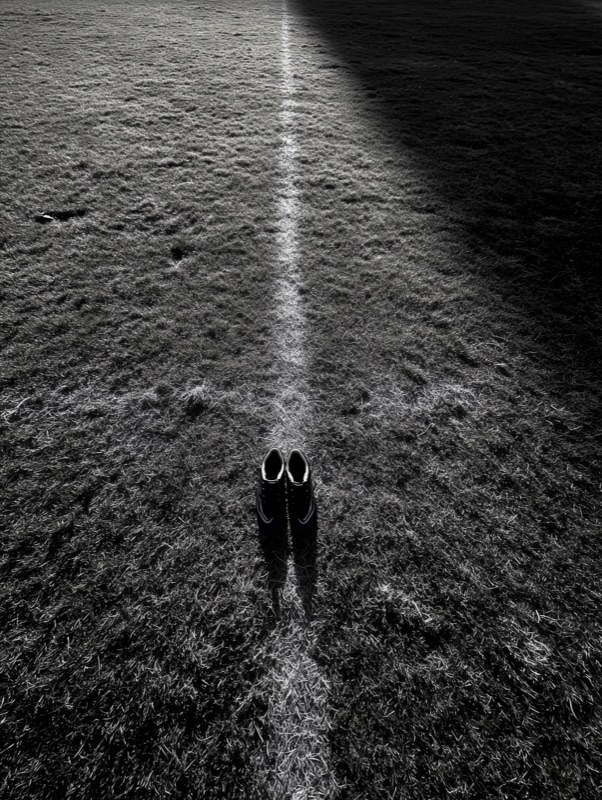
TOP-DOWN
Never. Undermines the athlete's agency.
Light
Directional, contrasty. Rembrandt or split lighting. Shadows are allowed — they add depth. No flat, even studio light. No ring lights.
Color
Desaturated. Skin tones stay natural, everything else is muted. Orange is never added in post — it must be physically present in the scene.
Composition
Generous negative space. Subject never fills more than 60% of frame. Leave room for text overlays and scan line. Asymmetric framing preferred.
Don't
No team photos. No celebrations. No stadium atmosphere with smoke and floodlights. No stock-photo aesthetic. No forced emotion.
Do
The quiet moment. The ritual. The preparation. Hands on the boot. Eyes on the ground. The walk from tunnel to pitch. Stillness before performance.
Overlay
Scan line at 61.8% is optional on hero images. Readout text in Minimal abbreviation. Never obscure the athlete's face or hands with overlays.